CRxN final report
Climate Resilient by Nature (CRxN) has shown that nature-based solutions can deliver lasting benefits for people, nature and climate when they are community-led, inclusive and grounded in local knowledge. Over five years, communities across the Pacific and Southeast Asia have restored ecosystems, strengthened livelihoods and developed innovative approaches ranging from floating rice in Viet Nam to community-owned enterprises in Fiji and women-led sea grape businesses in Solomon Islands. Along the way, CRxN has generated practical lessons for scaling high-integrity nature-based solutions and building long-term climate resilience across the region.
Read the full report and scroll on for more highlights from the program.
What did the program achieve?
14,447 people across 163 communities have been directly involved in all CRxN projects to date.
7,039 people have engaged in nature-positive livelihoods created new economic opportunities and strengthened household resilience across 158 communities.
44,292 hectares of land and seascapes with conservation, protection or restoration activities that have helped to enhance the health and functionality of freshwater, mangrove, coral and forest ecosystems.
27,001 people with with reduced vulnerability to climate hazards.
Carbon market readiness initiatives laid the foundations for longer-term sustainability and scale with 40 communities improving their capacity to engage in carbon markets.
Partnerships with governments, civil society and the private sector helped embed nature-based solutions into local institutions, markets and decision-making processes.
Women, youth and people with disabilities increasingly moved from participation to leadership in nature-based solutions governance and implementation.
And much more!
Voices from CRxN
People and community are at the core of CRxN. Below is a snapshot of just a few stories from the program who demonstrate that when nature thrives, communities do too.
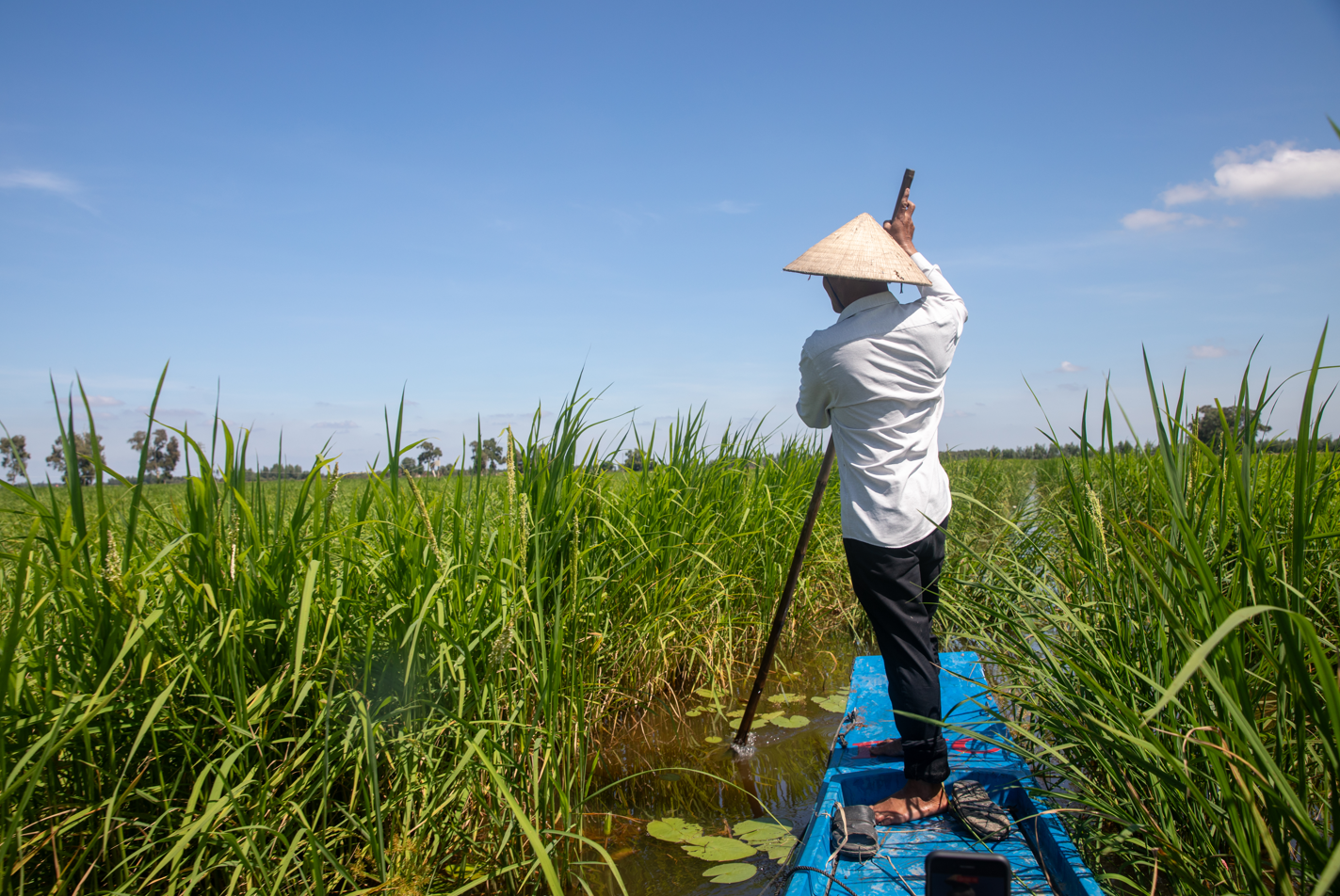
Dien ©WWF-Australia/Veronica Joseph/
Dien, Tay Ninh Viet Nam
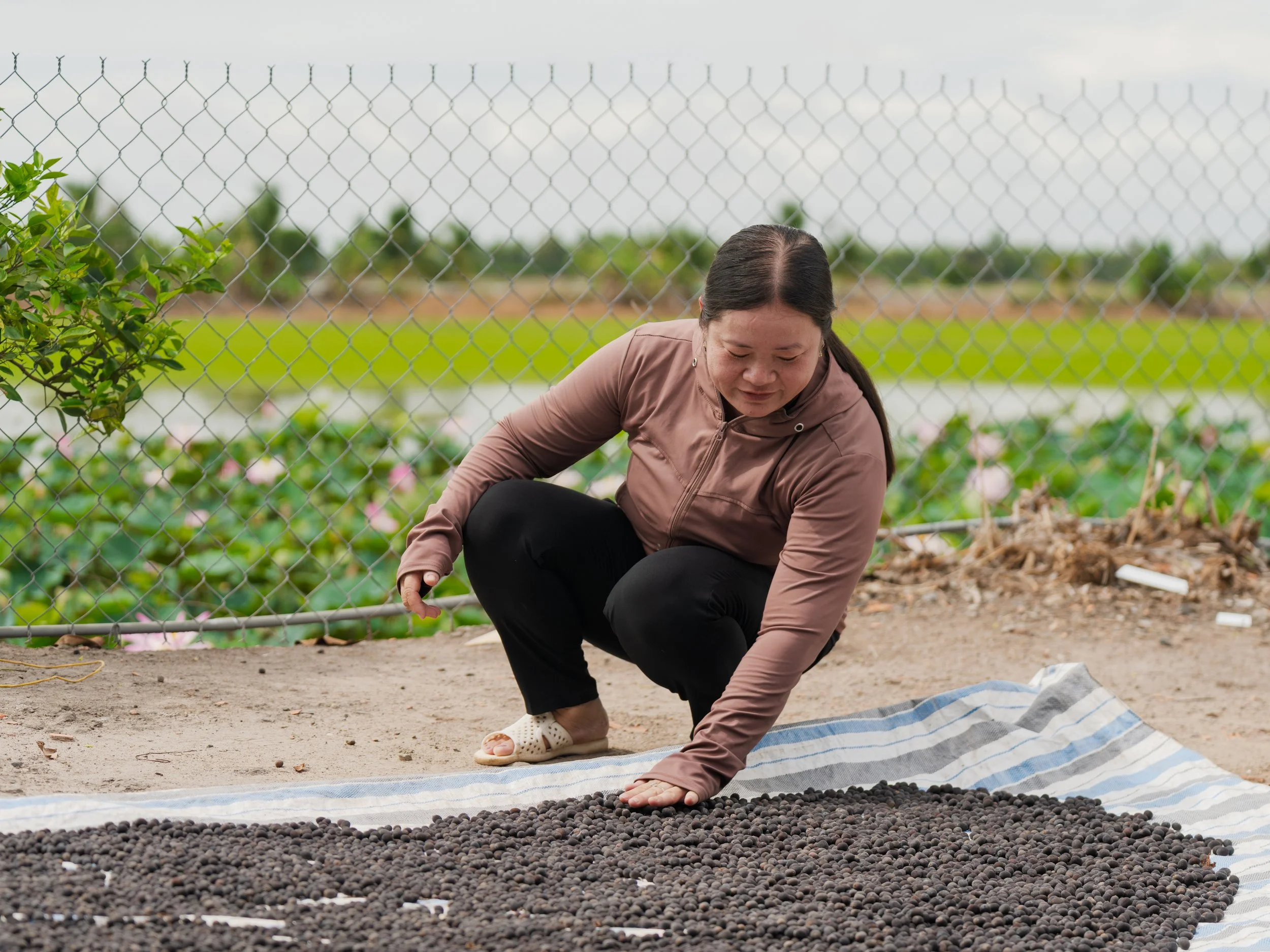
Dien is a farmer and Floating Rice Cooperative Chairman. CRxN has supported his commune adopt a flood-adapted farming model that helps to restore natural flooding, rejuvenate soil and biodiversity and diversify income sources for communities. This includes growing floating rice which are now reaching international markets as a result of buyer contracts and supply chains established through the program:
“In the past, our grandparents grew floating rice, so it has a nostalgic value. Growing it again now feels like reviving something from the past — a way to reconnect with old memories…
“This makes cooperative members more confident, knowing their product is reaching international markets.”

L-R: Nerolyn and Elizabeth (sea grapes harvesters) ©WWF-Solomon Islands
Nerolyn, Solomon Islands
In Solomon Islands, resource management plans that harness Traditional Knowledge are helping ensure sustainable sea grapes supply and equitable benefits for women harvesters. Nerolyn and other women in her community have also piloted developing new ‘value-added’ products from the sea grapes to extend their shelf life and diversify potential income.
“The value-adding training has been an eye-opener for me. I look forward to implementing this knowledge in our local products. This initiative not only boosts our income but also strengthens our community's commitment to sustainable practices.”
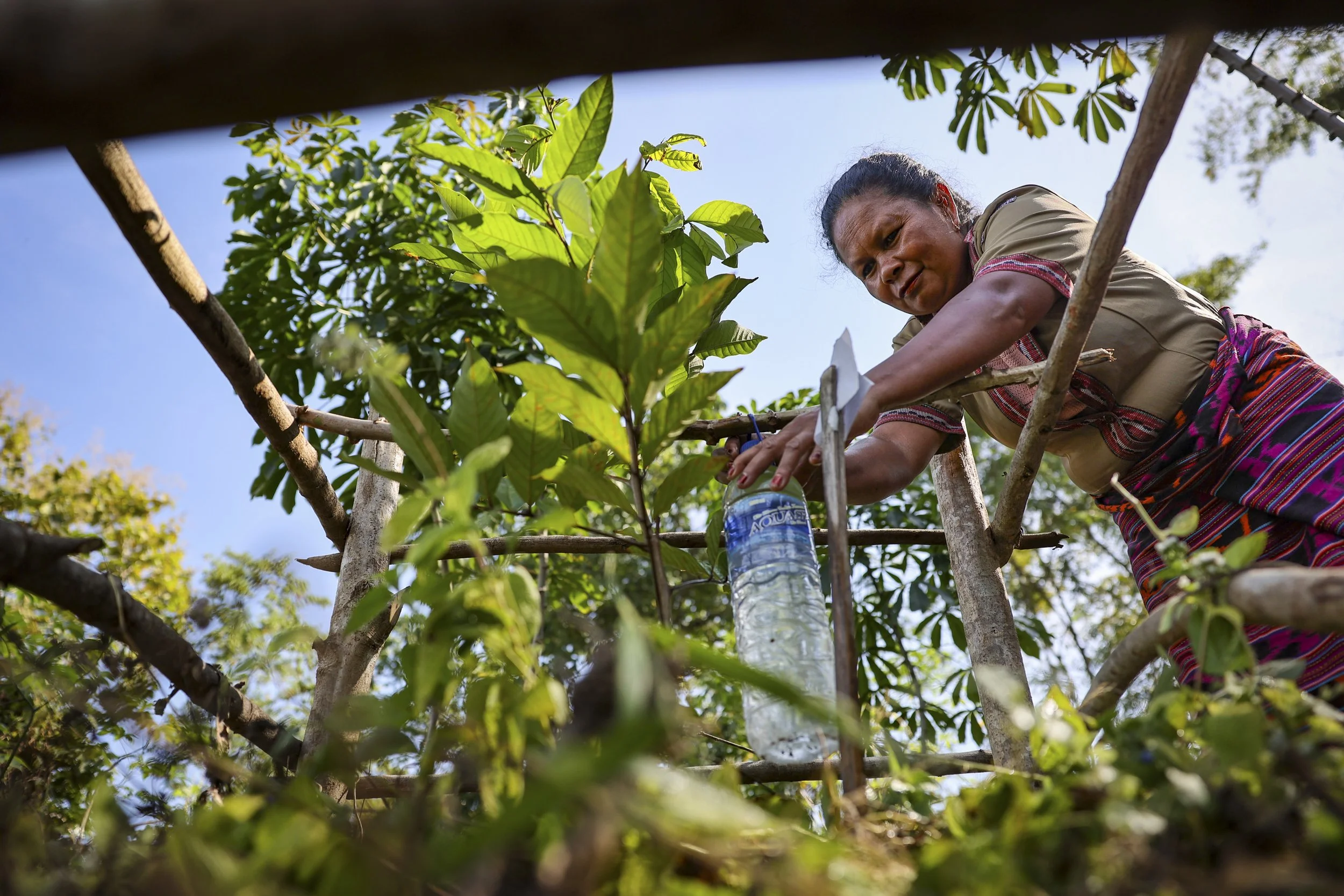
Gabriela using a drip irrigation method to water agroforestry saplings ©Catholic Relief Services
Gabriela, Timor-Leste
In Timor-Leste, community leaders like Gabriela have been instrumental in building for support for nature-based solutions—in this case agroforestry. Agroforestry has help to restore landscapes degraded by slash and burn agriculture and deforestation. This benefits local farmers who have experienced enhanced soil quality and can also grown a greater diversity of crops through planting agroforestry trees.
“I see a big change in this village from 2022 to now. Now, it's been three years since the community burned the land…
The Tara Bandu [local natural resource manaagement laws] prevents people from cutting down trees and burning land to prevent landslides. We do this to protect our nature and prevent landslides. To prevent flooding and disasters in our village, we all must work together.”
Explore more
Check out the blog and Knowledge Hub for more stories of change, research and learnings from CRxN: