Scaling nature-based solution in the Mekong
Early mornings in Tram Chim National Park are a picture of stillness and yet full of life. Gliding along the river, you’ll see a blanket of pink and white lotus, kingfishers nosediving into waters looking for their next meal and purple herons stalking the shallows. At the same time, not far away in the wetland’s buffer zone, farming communities are starting the day’s work.

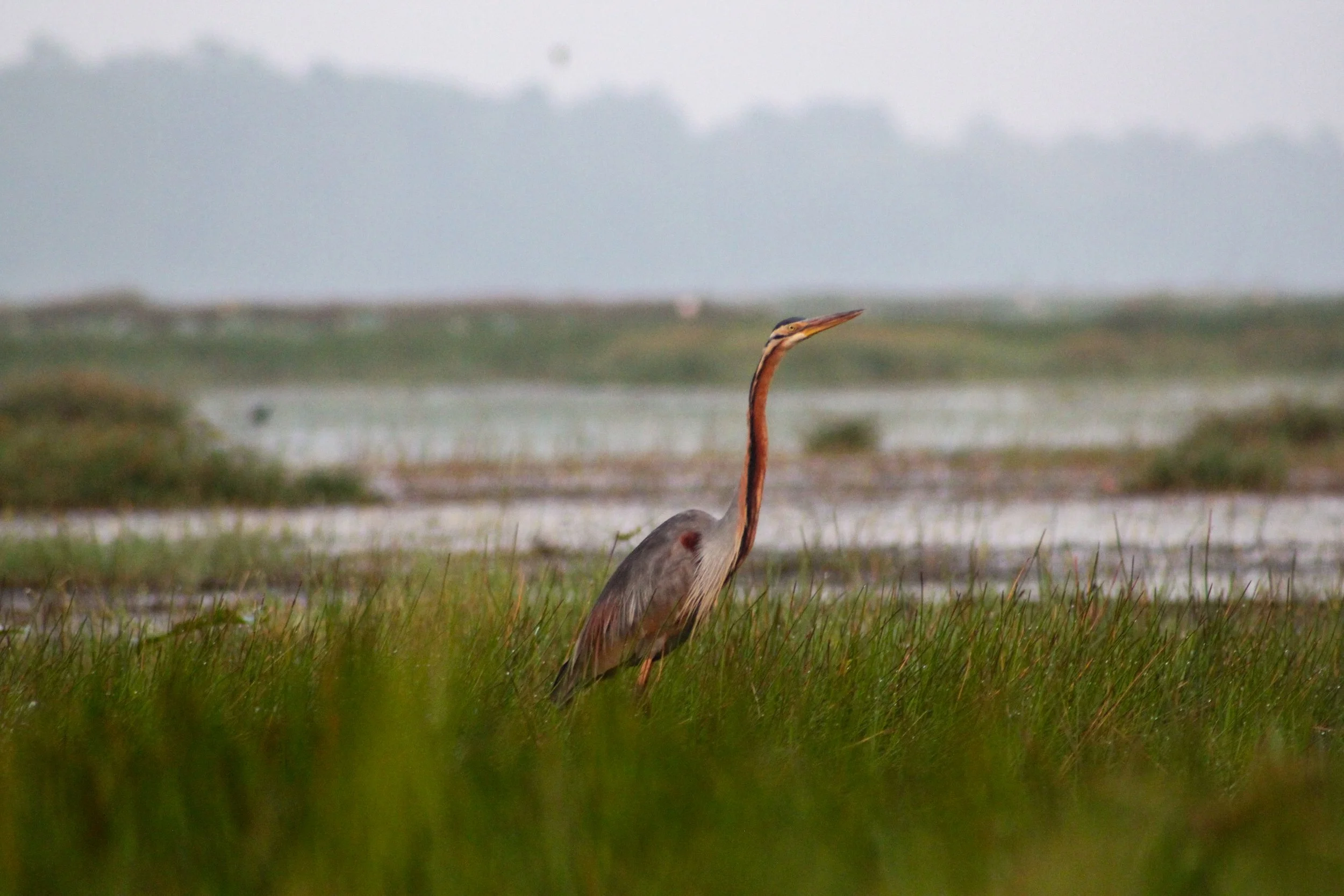
Lotus and purple herons in Tram Chim ©WWF-Australia/Veronica Joseph
This rich mosaic of life is sustained by the Mekong’s rivers, wetlands and floodplains. In places like Tram Chim, seasonal flooding from the Mekong brings nutrients, replenishes wetlands and supports fish populations and agriculture. These natural fluctuations, known as the flood pulse, are the foundation of one of the world’s most productive inland fisheries and rice-growing systems.
But these freshwater ecosystems are under growing pressure. Climate change, development and fragmented management are altering rainfall patterns, disrupting river flows and accelerating biodiversity loss. The impacts are felt most by people experiencing poverty and marginalisation, including farming communities living in buffer zones who depend directly on healthy wetlands for food, income and water security.
Climate Resilient by Nature (CRxN) has already been working in nearby Tay Ninh province, supporting the protection, restoration and sustainable management of critical ecosystems while strengthening local livelihoods including through floating rice cultivation and integrated lotus-fish farming models. The project demonstrated that when nature thrives, communities do too.
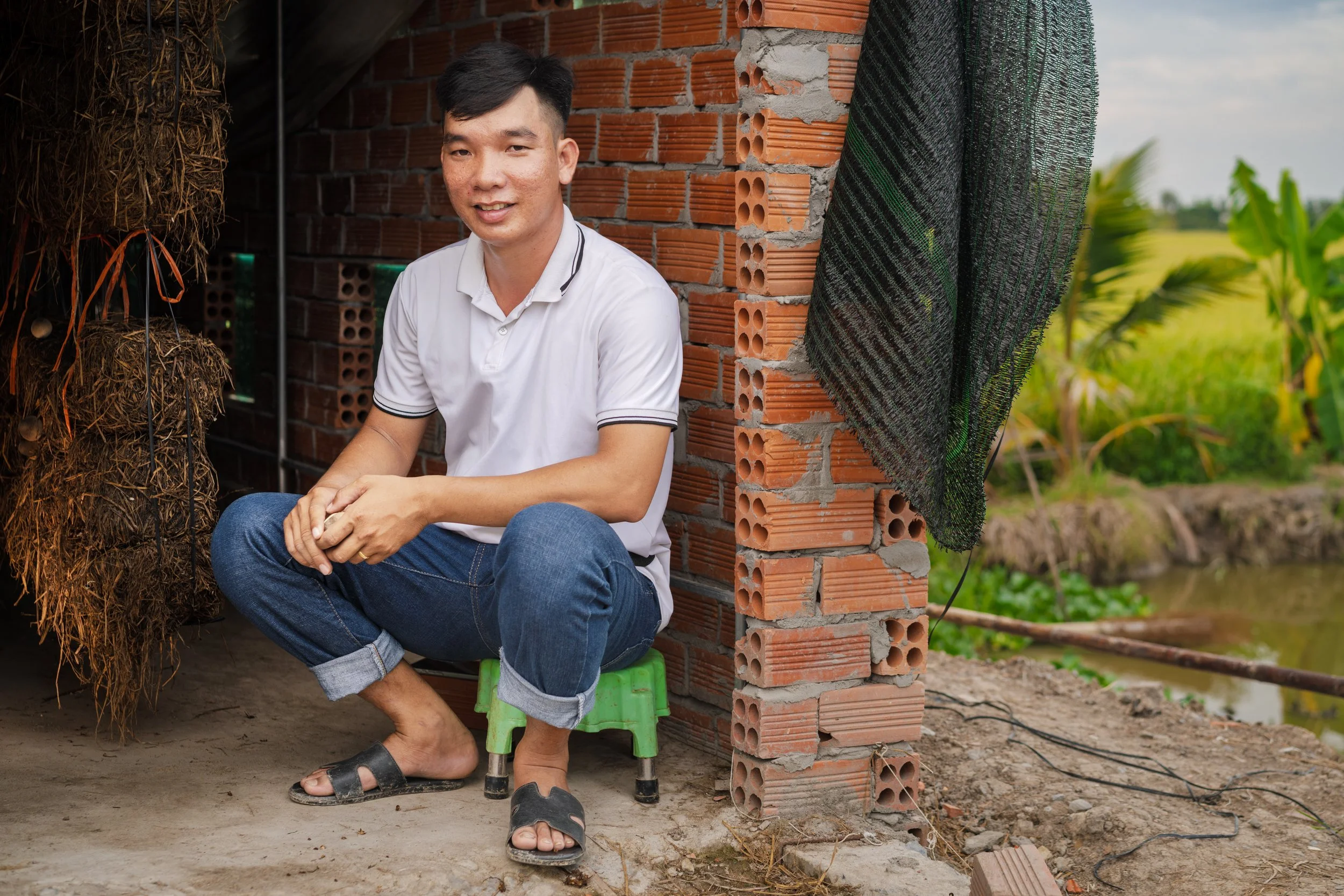
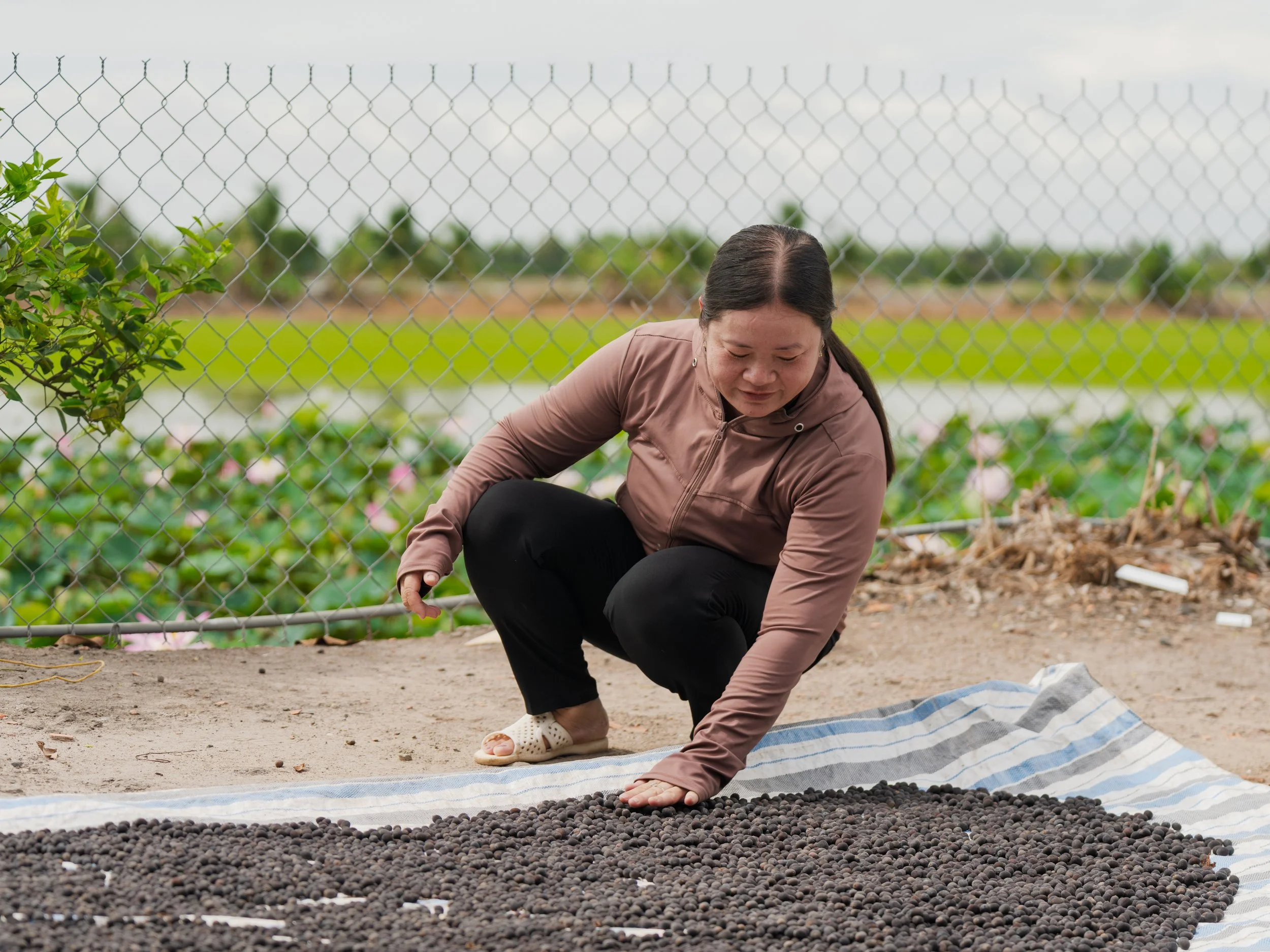
Farmers like Trinh and Tam were supported in phase one to implement flood-adapted farming models including lotus and mushroom farming respectively ©WWF-Viet Nam
However, ecosystem recovery takes time. Achieving lasting impact requires approaches that are sustained, adaptive and able to scale.
That’s why CRxN is proud to continue into a second phase with the support of the Australian Government through the Mekong-Australia Partnership and Climate Resilient Communities. Phase 2 builds on lessons from the program’s pilot phase, moving from testing approaches to implementing proven solutions across connected landscapes in Viet Nam and Laos, including Tram Chim National Park, and strengthening the case for nature-based solutions at scale.
Climate Resilient by Nature was excited to launch its Viet Nam project with a celebration in Dong Tap. 100 participants came together riverside in Tram Chim,including representatives from the Department of Foreign Affairs and Trade (DFAT) Australia, WWF-Australia, WWF-Viet Nam, central and local government agencies, international organisations, academia, private sector and local communities from Dong Thap and Tay Ninh provinces.
We’re excited to continue following the story of nature-based solutions in the Mekong. Stay tuned for updates on project progress.
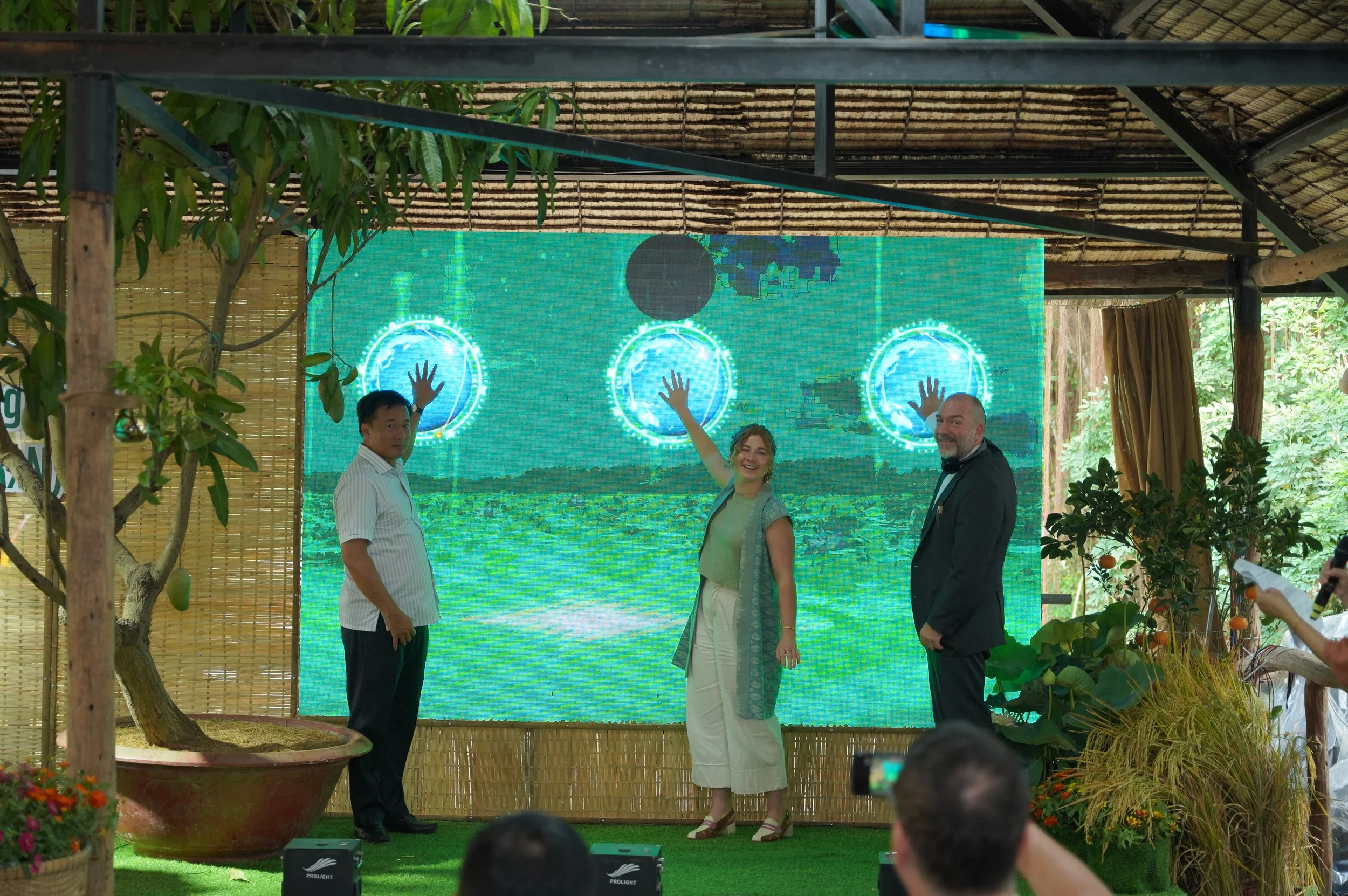
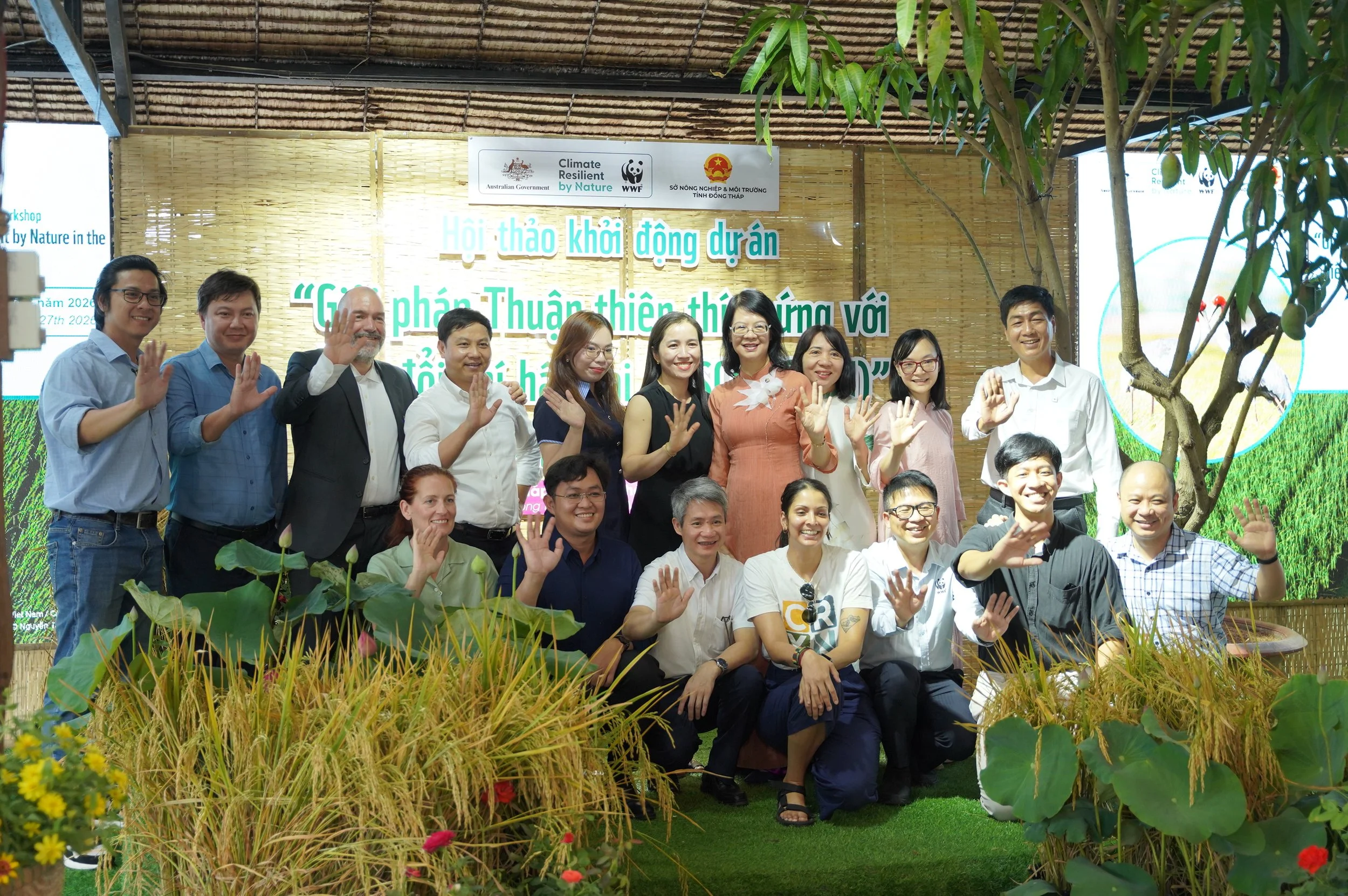
Launching phase two in Viet Nam ©WWF-Viet Nam