2025: A year in review
It's been a big year for nature. By working in partnership, 13,305 people across 160 communities have been directly involved in nature-based solutions with over 43,000 hectares of land and seascapes under conservation, protection or restoration. Learn about some of the top wins for climate, communities and nature below.
Expanding nature-based solutions in the Mekong
By embracing climate-smart livelihoods, Vietnamese farmers are taking advantage of seasonal weather patterns by growing flood-adapted crops like floating rice. As part of this, WWF-Viet Nam has helped facilitate and strengthen market access opportunities for floating rice products. Through a partnership with Khai Nam, a Viet Nam-based exporter, floating rice products are now available for sale in Malaysia, as well as in Europe. With Khai Nam seeking to expand production, farmers will be supported to increase floating rice cultivation to 200 hectares.
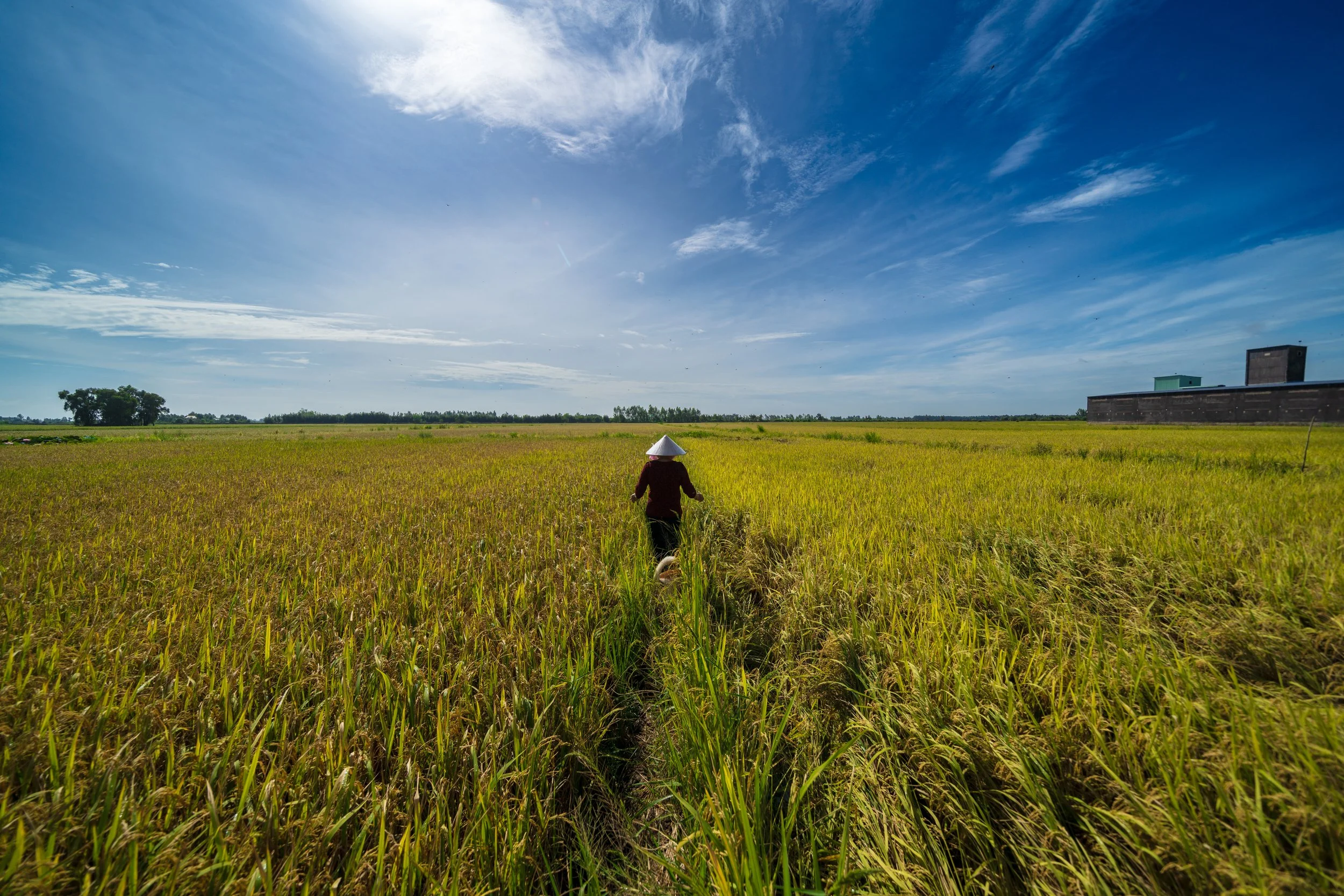
25% decrease in greenhouse gas emissions when comparing two rice crops and one flood-based lotus model with triple rice model (95.67 vs 129 tons CO2eq/ha/year).
19.5x increase in water storage of floating-rice plus fish model compared to standard triple rice model.
Indigenous-led forest restoration in Vanuatu
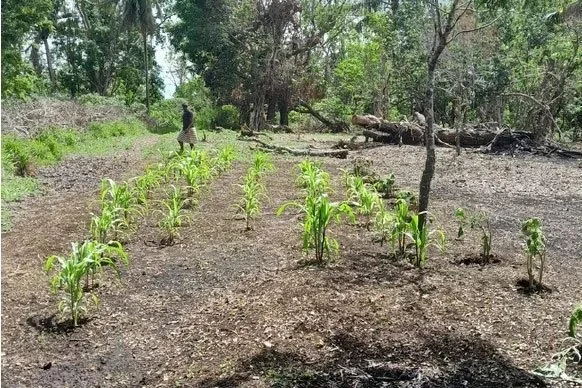
In Vanuatu, an Indigenous owned and managed forest restoration carbon project supported by Live and Learn Environmental Education and Nakau continues to pilot an approach that links invasive species management to long-term carbon market finance. As part of this work, Rocco, a Forest Ranger cuts and removes merremia, an invasive weed that smothers and eventually kills native trees. Saplings from a community-run nursery are then planted into the cleared areas, restoring the forest.
“I feel that we work really hard to cut merremia or big lif to the point that, when walking through now, it makes me happy to not see merremia growing or strangling trees” - Rocco.

28,635 tonnes of CO2 projected to be reduced, avoided or sequestered from forest carbon projects in Fiji and Vanuatu.
2,006 hectares with conservation or restoration activities including 1,783ha in Fiji and 223ha in Vanuatu.
Community champions in Papua New Guinea
In Papua New Guinea, community champions like Susan are leading nature-based solutions with the support of Kyeema and Corals for Conservation. On Yule Island, Susan and her community have successfully deployed mangrove protectors in nearshore areas to buffer growing saplings against wave action. As Papua New Guinea’s coral reef ecosystems are largely community-owned, people like Susan are critical to mobilising their communities to protect nature.

13 communities involved in nature-based solutions focused on community-led coral restoration in Fiji, Papua New Guinea and Samoa.
421 people directly involved in nature-based solutions including 170 women and 215 men.
Sowing seeds of change in Timor-Leste
92% of those who attended agroforestry trainings from Caritas and Catholic Relief Services Timor-Leste have continued practising at least five of ten promoted techniques, according to a survey conducted this year. Over half also reported improvements in the health of their soil and crop production because of these practices including planting agroforestry trees, intercropping and mulching. The uptake of agroforestry has been driven by community champions like Mana Gabriela, a suco chief (village head) from Baucau. It’s now been three years since her community practiced slash and burn agriculture and Gabriela believes this, along with the planting of a diversity of trees, has meant landslides have not been as damaging as in previous years.
“To prevent flooding and disasters in our village, we all must work together” – Mana Gabriela.
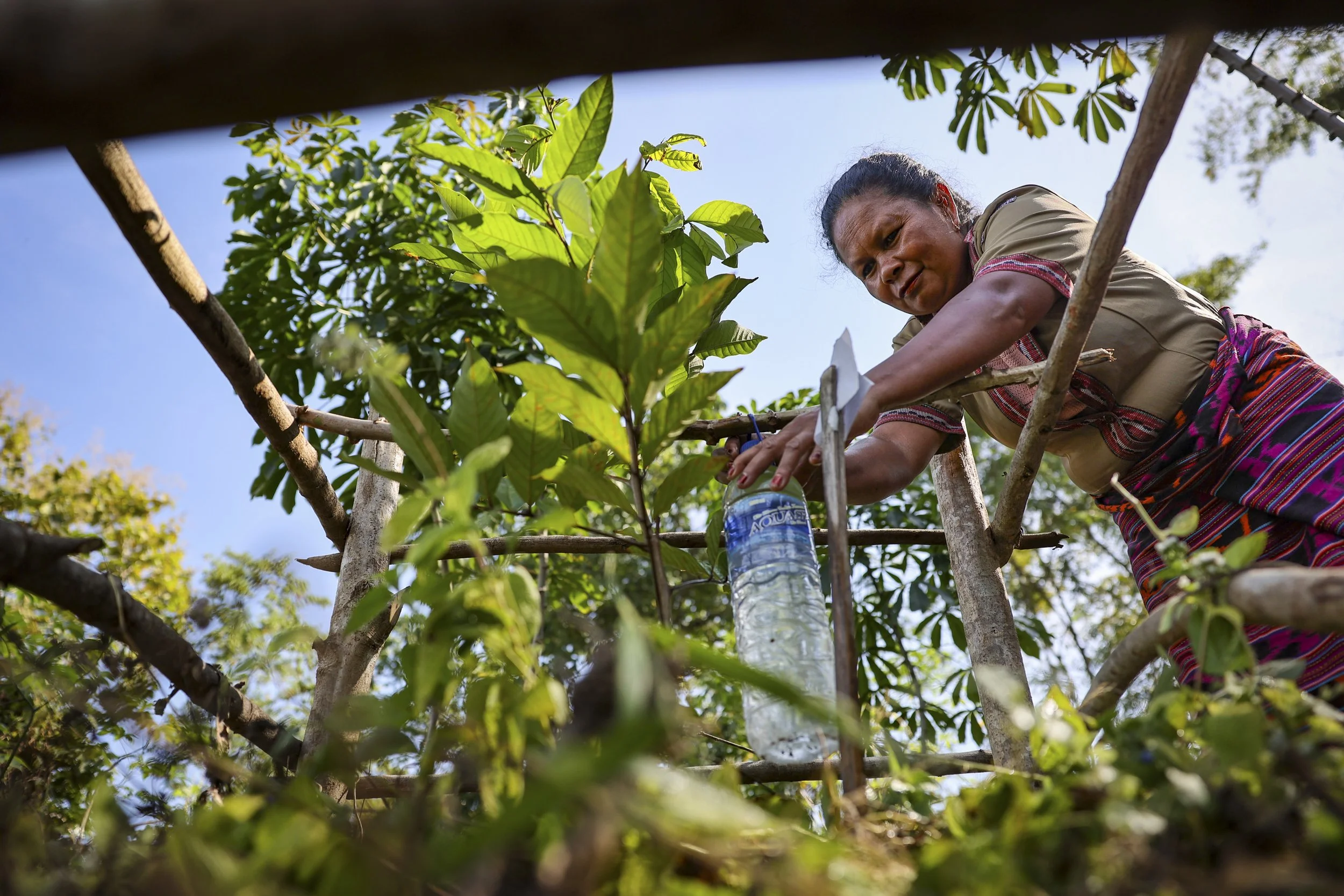
214 hectares with conservation or restoration activities underway.
83,311 saplings planted in home garden and farm plots since project inception.
Restoring mighty mangroves
In Solomon Islands, Farmer Managed Natural Regeneration (FMNR) training from World Vision has positively shifted community attitudes around ecosystem restoration. One community member, John initially viewed forests solely as resources for human use and had even considered inviting logging companies to his land. However, after attending an FMNR training, John was inspired to become an advocate for forest protection and began regenerating a three-hectare area of unused farmland, planting around 150 indigenous trees. Within six months, the area started to transform into a thriving young forest, attracting birds and inspired others to join his efforts.

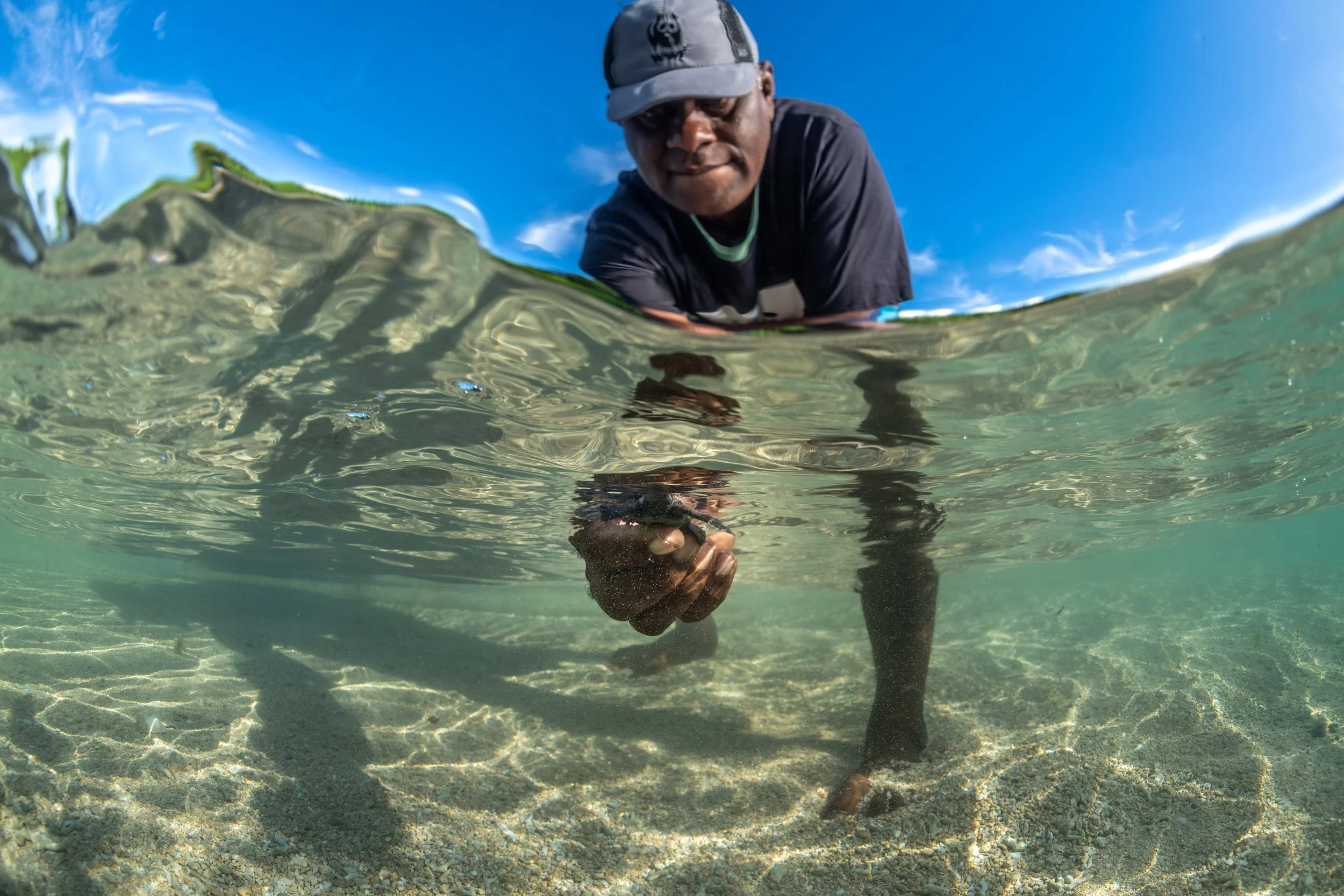
45,000 mangrove saplings were planted as of this year’s reporting period, with the survival rate higher than 98% in some locations.
1,073 people directly involved in nature-based solutions including 377 women and 696 men – of this includes four people with disabilities.
Supporting livelihoods and restoring critical ecosystems in Laos
Village Development Funds (VDF) have been established in a total of seven communities with the support of WWF-Laos. The VDFs now have almost 500 members that access low-interest loans to support livelihood activities. A loan has helped Mrs Phetoudone expand her pig-raising activities, increasing her income. Mrs Phetoudone has already begun repaying the initial loan and plans to complete repayment within 18 months. Further, the interest generated from loan repayments funds patrolling activities in the local fish conservation zones which create a sanctuary for fish so their numbers can repopulate.
I've observed large fish thriving in the conservation areas. This gives me joy as it ensures sustainable food sources for future generations. I appreciate conservation efforts, including forest conservation, which provide not only food but also habitats for wildlife - Mrs Phetoudone
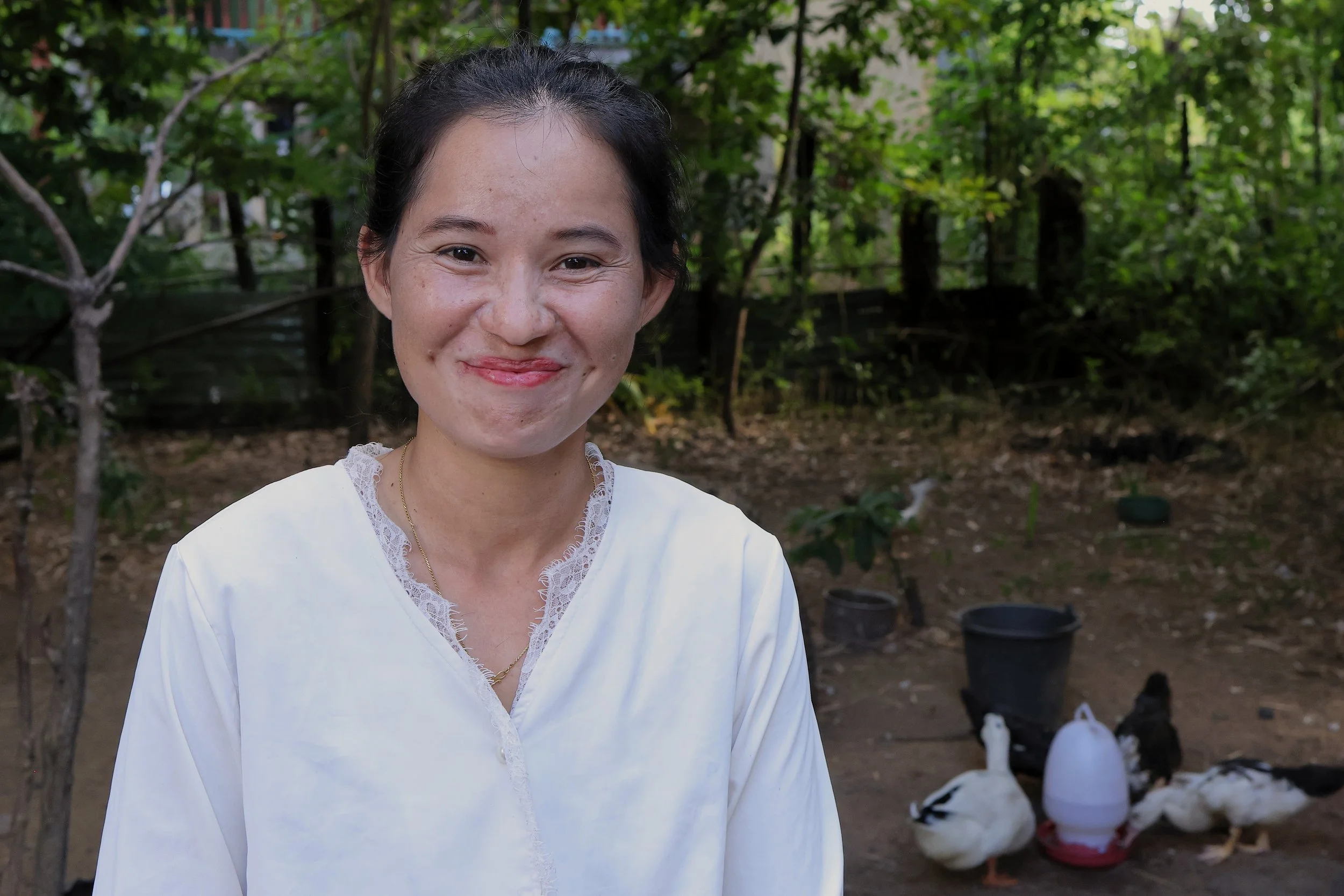
121% increase in household income in 2025, compared to 2024.
82% increase in catch per unit between 2024 and 2025, recorded through Fish Catch Monitoring data
Women leading climate resilience in Vanuatu
This year, a seedbank was established in North Tanna, Vanuatu to conserve a diversity of plant species, including those resilient to climate change impacts. This is part of climate-resilient agroecology project supported by ActionAid. In addition, the Chief of the community provided one-hectare for women leaders to establish a nursery and a garden plot to plant climate-resilient crops. 35 women attended agroecology training and now confidently manage the seedbank, ensuring that the seeds are collected, packaged and stored from the nursery and garden plot.
11 communities involved in nature-based solutions focused on mangroves, farmland, and forest restoration
450 people with reduced vulnerability to climate hazards.
Coastal Restoration and community empowerment in Fiji
This year, a Mangrove Management Plan outlining resource usage was drafted and reviewed by local communities in Macuata, Fiji. As part of this, communities endorsed the mangrove protected areas and zones for targeted restoration, laying the groundwork for long-term protection and recovery of mangrove ecosystems. WWF-Fiji has also provided training on mangrove restoration techniques, with youth and community teams independently leading the propagation and replanting of 6,000 mangrove seedlings in three districts.
25,058 hectares with conservation or restoration activities underway
7,982 people with reduced vulnerability to climate hazards.
Sea grapes success in Solomon Islands
In Solomon Islands, six-monthly sea grape monitoring activities that assess the effectiveness of ongoing resource management strategies showed a positive trend across all four sites this year. Kongulavata recorded the highest sea grapes coverage at 72.55%, attributed to well-protected nursery areas, active replanting efforts, and minimal disturbance. This data demonstrates the effectiveness of nature-positive practices and strong community compliance. As part of this project, WWF-Solomon Islands has also focused on community capacity building with four community rangers supported to enrol in Solomon Islands National University in a Certificate in Environmental Studies. The aim is to prepare them for leadership roles within their community-based organisations.

406 hectares governed by an improved management model.
2,250 people with reduced vulnerability to climate hazards
Collaboration for climate resilience
We rounded out the year by bringing together representatives from Climate Resilient by Nature partner organisations and communities from eight project countries in the Indo-Pacific to reflect, share learnings, and celebrate successes from four years of work on nature-based solutions.
Creating space for knowledge sharing and collaboration is critical as we focus on scaling and amplifying these nature-based solutions in the future. Participants had the chance to get creative and discuss potential ideas for scaling – and they also got their hands dirty! Climate Resilient by Nature partners visited a nature-based solution site, where WWF-Pacific is working with the local community on mangrove restoration, and helped plant an incredible 1,150 mangrove saplings.
Creating a world where people and nature thrive together is a task is too great for one organisation or sector to tackle alone. Partnership and collaboration is essential to achieve sustainable and equitable outcomes for people, nature and climate. Thank you to Climate Resilient by Nature partners for making this work possible. Together we can support communities to be more socially, economically, and ecologically resilient.
Climate Resilient by Nature is an Australian Government initiative in partnership with WWF-Australia, supporting nature-based solutions to climate change.