Resilient as the lotus
WWF-Viet Nam is supporting communities to pilot flood-based livelihood strategies, including cultivating lotus during the flood season to deliver benefits for local farmers while regenerating surrounding wetlands.
This project is supported by Climate Resilient by Nature with additional funding from the Mekong-Australia Partnership - Water, Energy & Climate (MAP-WEC).
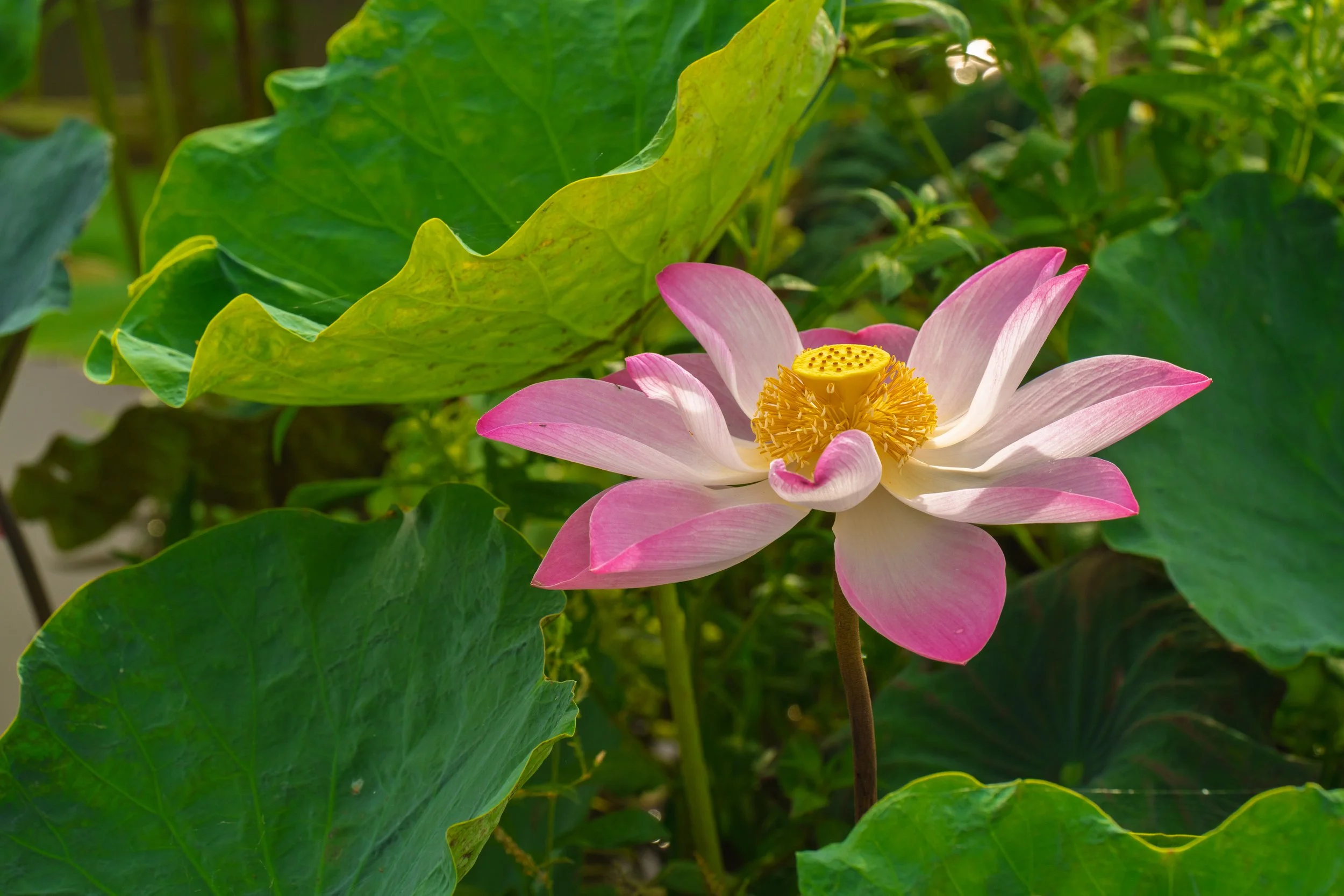
The lotus, Viet Nam’s unofficial national flower, is a powerful symbol of resilience, strength and nourishment. This native species thrives along the rivers and lakes of the Mekong Delta, an ecosystem of immense ecological, social, and cultural value. Millions of people depend on the Delta’s seasonal flood pulse for water, food, and livelihoods. However, this natural process is being disrupted by human development, agriculture and a changing climate.
In Tây Ninh province, many farmers traditionally grow three conventional (white) rice crops per year to support their families. The third crop coincides with the flood season and requires farmers to construct dykes to block and redivert the flood pulse. However, over time, being cut off from the flood pulse contributes to soil degradation and reduced agricultural productivity for farmers, and impacts the health of the surrounding, ecologically significant Lang Sen wetlands.
Embodying many qualities of the lotus, female farmers are demonstrating great resilience as they adapt to these challenges and embrace alternative farming models that simultaneously support their families and protect and regenerate nature.
Rather than building dykes during the flood season or leaving fields idle, farmers like Le Thi Thong are working with nature by cultivating lotus.
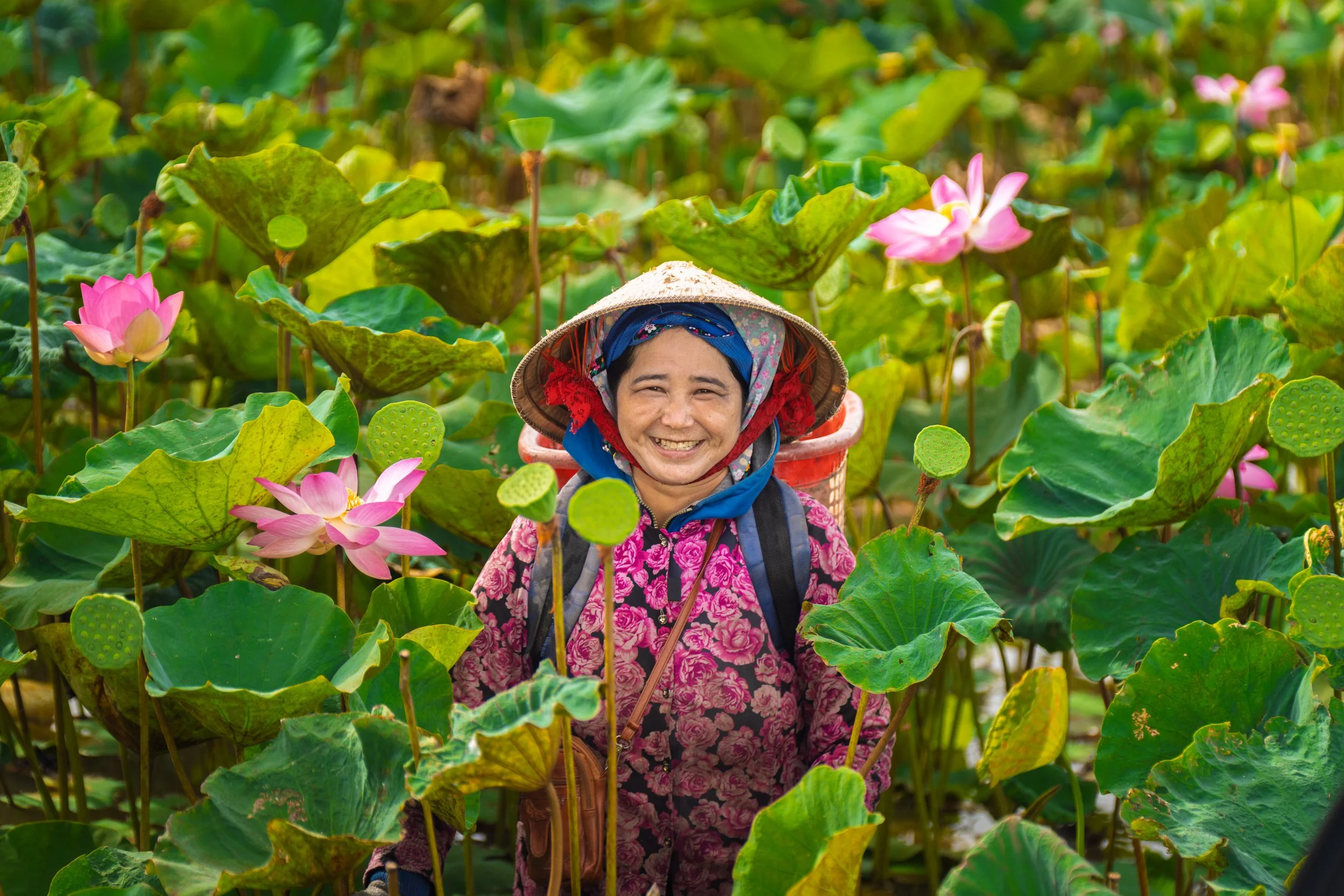
Le Thi Thong in a lotus field ©WWF-Viet Nam
Local networks are also being strengthened and access to new markets, unlocked, through the founding of Tâm Lotus, a small business in Tây Ninh Commune. Tâm Lotus acts as a central collection and distribution point, enabling farmers to pool their harvest and sell lotus-based products onto larger companies. This means after just four to four and a half months, the stems and seeds of the harvested plants can be processed and sold for consumption in Viet Nam and abroad. This brings in approximately US$1,867 per hectare, a significant boost for local livelihoods.
Tâm Lotus also provides employment opportunities, enabling a largely female workforce—who sort, prepare, package the lotus—to work close to home and earn a stable income.
“By planting lotus here, the women in the neighbourhood have jobs. It helps them earn a living, support their families and cover their daily needs. Normally, we can only manage two rice crops a year. During the flood season, if we just stay idle there is no additional income. But with lotus, at least it eases our daily costs - when I go to harvest, things are more stable.”
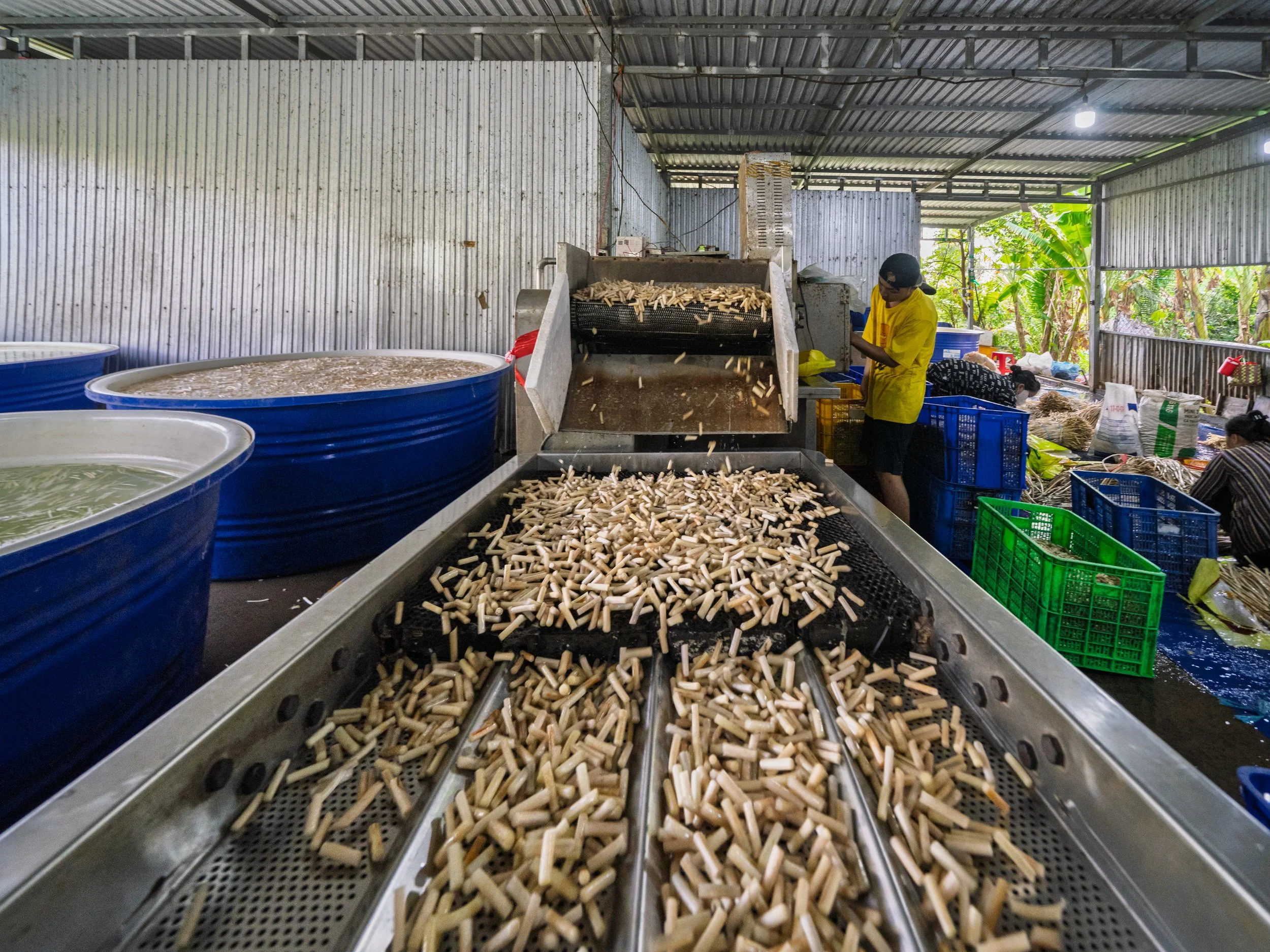

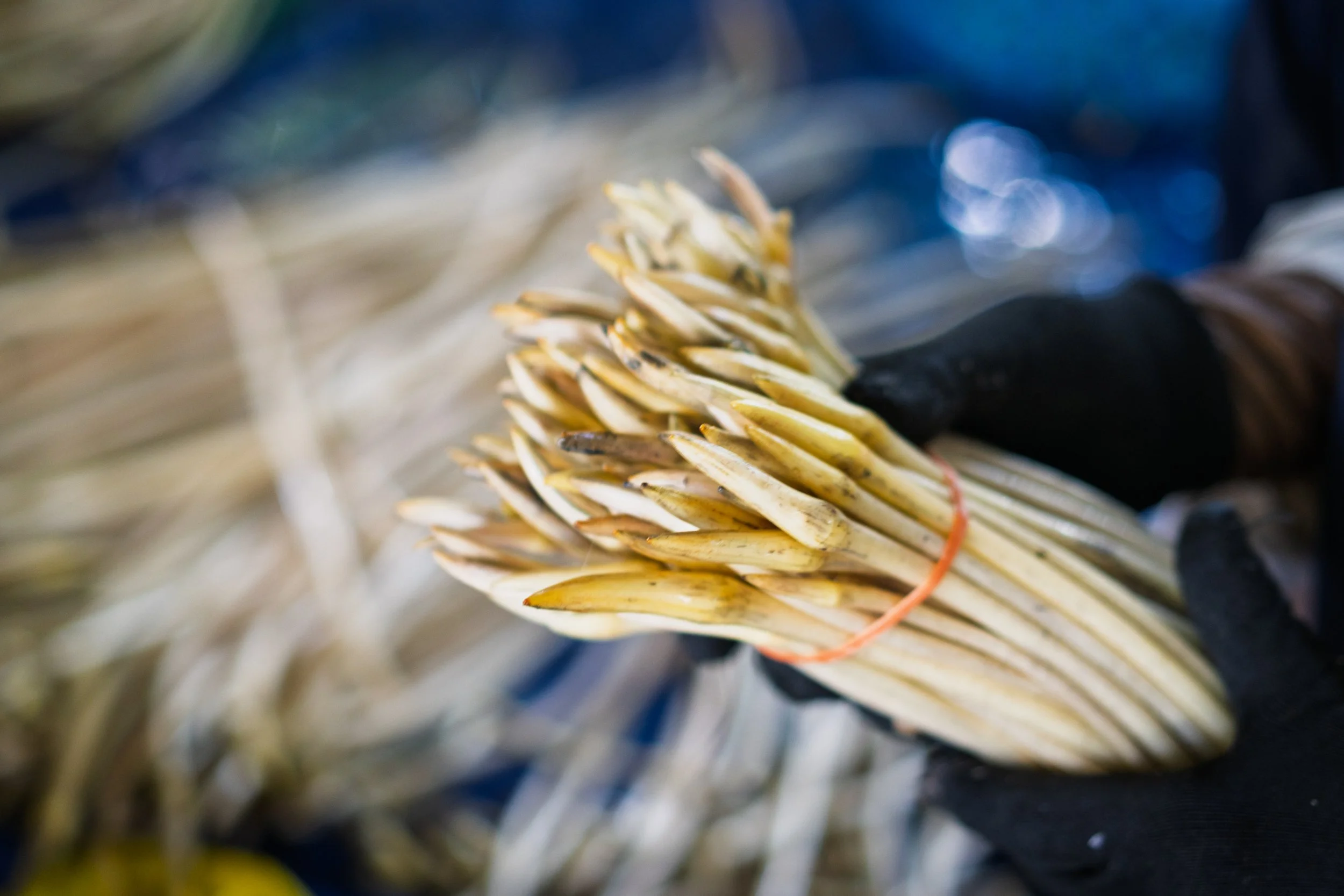
Lotus being sorted and packaged at Tâm Lotus ©WWF-Viet Nam
Along with these social benefits, the lotus farming model has been proven to deliver greater environmental impacts compared to conventional rice farming. Studies from Can Tho University found:
A 73.2% reduction in greenhouse gas emissions.
Better water quality and quantity, with over 662,000 cubic meters of water stored per hectare of crop. This supports improved soil fertility, which reduces the need for fertilisers in the subsequent season saving farmers money.
All these actions contribute to the health of the freshwater ecosystem, supporting the 86 plant species, 51 fish species and 73 waterbird species that call this area home.
To learn more about how this flood-based solution is delivering benefits for climate, communities and nature, read the full story in the Saigoneer.
Read more

