Supporting Nature-Positive Livelihoods
Lessons Learned from Experiences with Nature-based Solutions
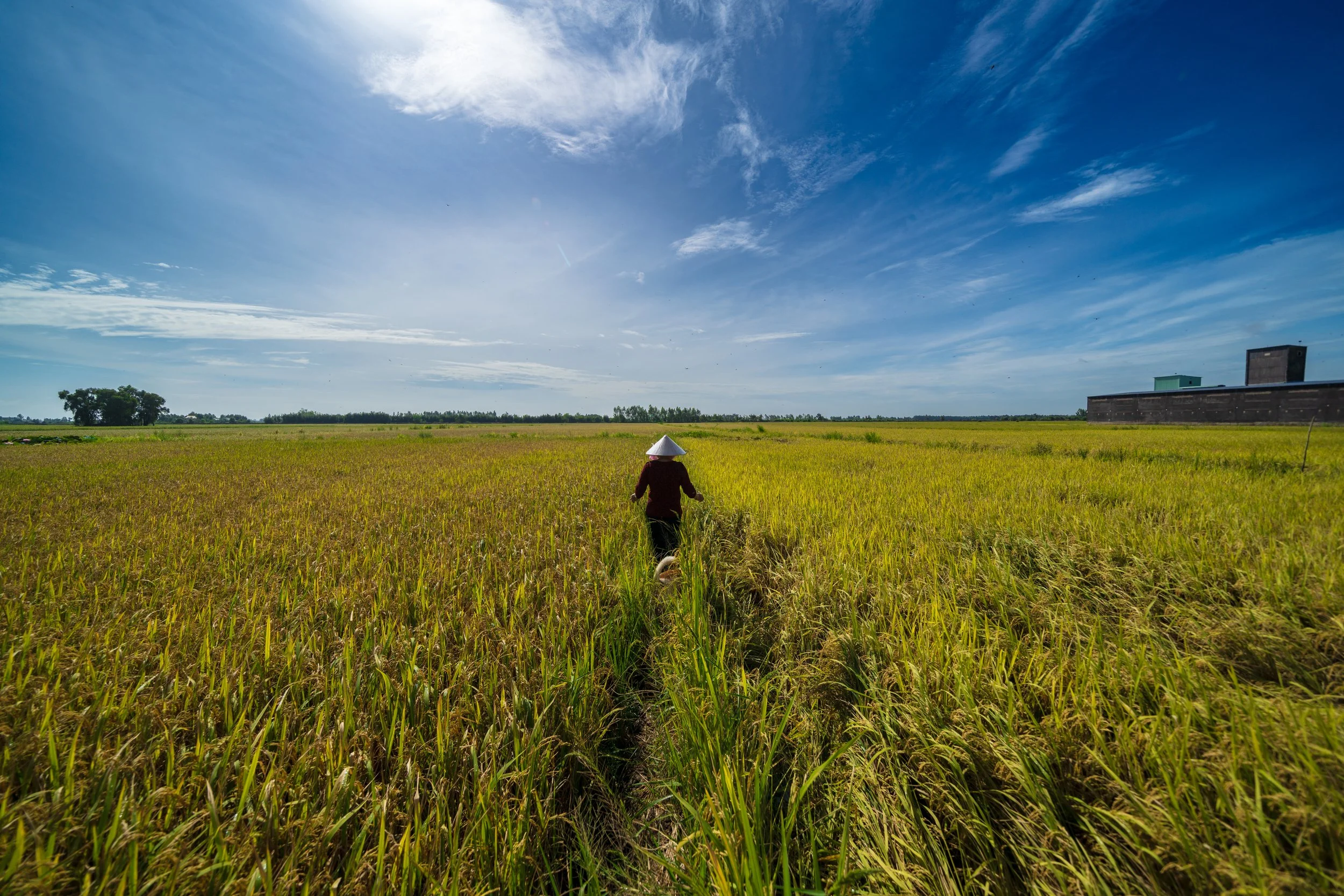
More than a third of humanity directly depends on nature for their livelihoods—including through fishing, farming and forestry. This is especially true for coastal communities across the Indo-Pacific, where the disproportionate impacts of climate change are being felt.
This in turn is placing critical ecosystems and rural livelihoods under strain, making it increasingly difficult for people to meet their needs and aspirations. In order to restore biodiversity and ecological processes and support sustainable livelihoods, we must centre on the relationships between people and nature. This is where nature-based solutions (NbS) and nature-positive livelihoods can offer a possible way forward.
Livelihoods and nature are intertwined
Nature-based solutions protect, restore, and sustainably manage ecosystems such as forests, mangroves, reefs and freshwater. These actions sequester carbon and are also one of the most cost-effective ways to build resilience to the devastating impacts of climate change.
Nature-based solutions intentionally protect and restore ecosystems in order to deliver benefits for people and society. That’s why supporting the sustainable development aspirations of the communities and economies that depend on these ecosystems is critical to ensure the success of the approaches.
This is why nature-based solutions must start with people and an understanding of local livelihood strategies— as opposed to purely livelihoods activities or income generation. This requires a holistic focus on the realities of people lives, their assets, capabilities, and the forces that shape opportunities or creates barriers surrounding local livelihoods and the strategies people employ to navigate these.
Nature-positive livelihoods
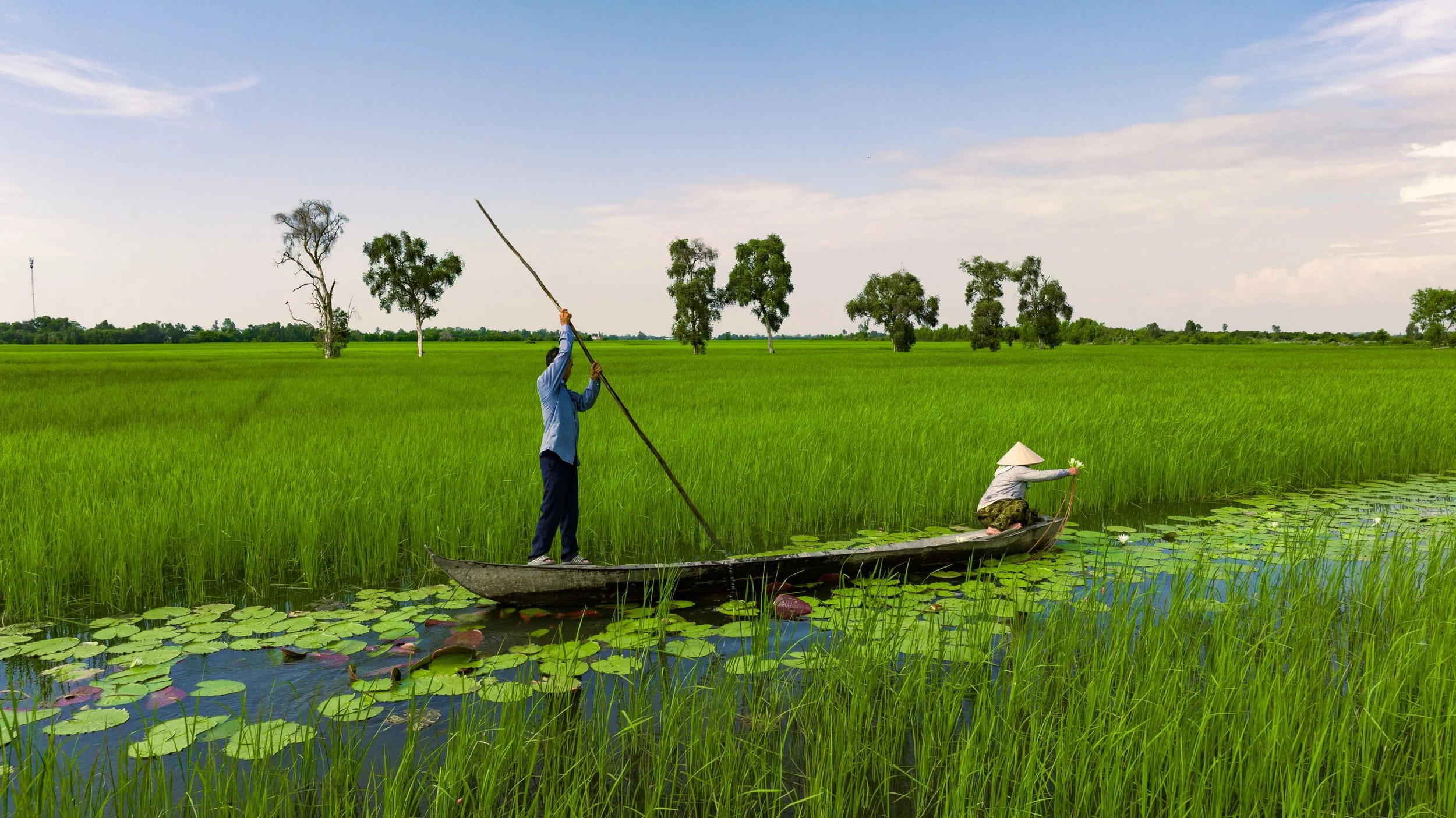
Nature-positive livelihoods allow people to live well and meet their needs, while ensuring nature thrives in the process.
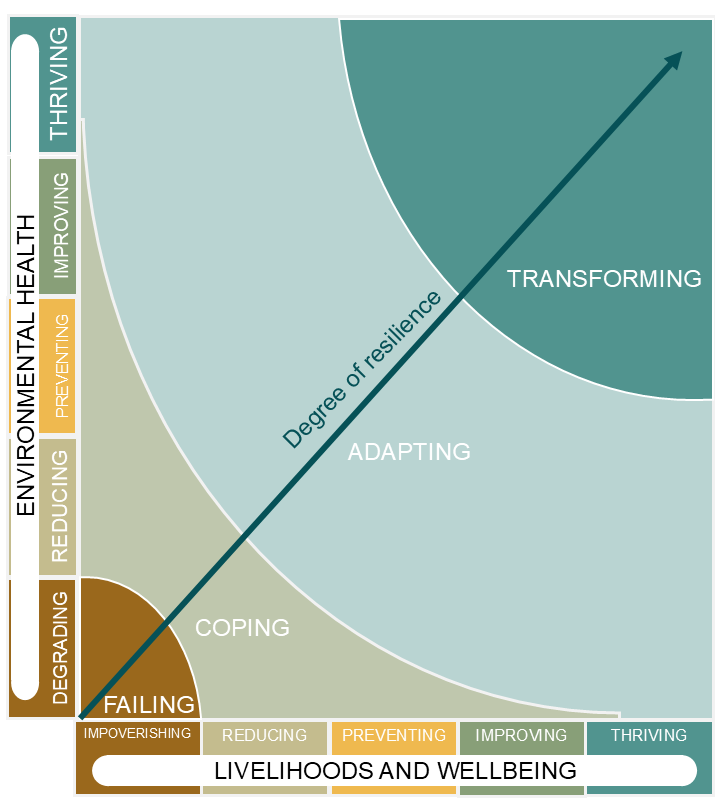
From the CRxN learning program, a nature-positive livelihoods matrix was developed for understanding livelihoods and environmental outcomes in NbS.
The matrix integrates sustainable livelihoods and ecosystem restoration, recognising that environmental recovery and livelihoods both sit along a continuum—from harm and impoverishment to thriving systems and long-term flourishing. Working across landscapes shaped by unequal power, competing interests and different time horizons, it makes trade-offs between nature and livelihoods visible. By bringing social and environmental outcomes together, the matrix provides a practical tool to support informed decision-making and the design of NbS that strengthen livelihoods while enabling nature to recover and thrive.
Examples from CRxN
Designing and implementing nature-based solutions requires careful consideration of risks, resilience and the ability of livelihood strategies to withstand shocks and stresses, particularly in the face of a changing climate.
Read more about livelihoods supported by Climate Resilient by Nature:



Key takeaways for supporting nature-positive livelihoods
Know the place. Understand people, culture, history, power dynamics and the environment you are working within.
Think systemically. Recognise the interconnections between human and natural systems.
Broaden the view of livelihoods. Livelihoods are more than income—they reflect people’s strategies, aspirations and capabilities, and how these can support nature to recover and thrive.
Centre the most vulnerable. Power and inequality shape who benefits and who bears risk. Inclusive, participatory NbS must prioritise marginalised groups, including Indigenous peoples and those most exposed to climate impacts.
Build on strengths. Focus on assets and opportunities rather than deficits—this is more effective, respectful and empowering.
Diversify for resilience. Relying on a single solution is risky. Diverse, integrated approaches create stronger safety nets for people and nature.
Plan for change. Build climate resilience by anticipating risk, adapting over time and preparing for uncertainty.
Commit for the long term. Transformative NbS take time, sustained investment and strong institutions—well beyond typical project cycles.
Use the matrix. Plot current and desired livelihood and environmental outcomes, then identify pathways forward, trade-offs, resources required and who needs to be involved—starting with communities themselves.

Read the report
How can we best support nature-positive livelihoods? Read about lessons learned
Other resources